

June 1, 2026

5
min read
Preparing for Post-Disaster Recovery After the Storm
What recent weather events reveal about the systems local departments need in place before recovery begins.
What recent weather events reveal about the systems local departments need in place before recovery begins.
.png)
When major disasters hit, emergency response is pushed to its limit, often with very little margin for error. But in these high-emotion, high-intensity situations, there is a hidden second wave of operational strain that can last for months.
The NOAA recorded 27 billion-dollar weather and climate disasters in the United States in 2024. Notably, North Carolina’s Hurricane Helene assessment estimated $59.6 billion in damage and recovery needs across the state. For local departments, events at that scale do not end when the immediate danger passes. Instead, a prolonged recovery period is created marked by higher inquiry volume, more coordination demands, and more complex service delivery.

Once the initial crisis passes, the work often becomes more operationally complex, not less urgent.
In western North Carolina, Hurricane Helene damaged roads, utilities, and telecommunications infrastructure across dozens of counties. Those disruptions made recovery harder not only for residents, but also for the departments responsible for coordinating services and responding to questions under already strained conditions.
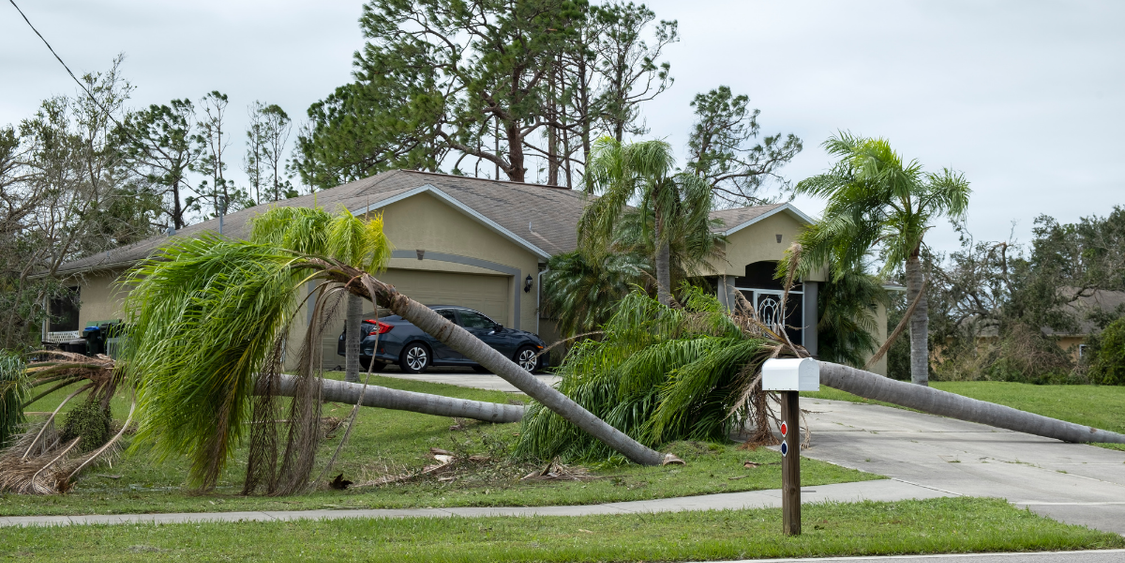
The challenge is not only volume, but volume combined with exceptions, handoffs, and ever-changing conditions.
Recent disasters have shown that recovery often slows down at the points when rebuilding depends on multiple departments, approvals, and systems moving in sync. In Los Angeles, the city reported that the first rebuilding permit after the Palisades Fire was issued 57 days after the fire began, with plan check review averaging about six days under an expedited process. Those timelines came as city leaders introduced executive actions, self-certification, and one-stop rebuilding support to help move residents through a process that can otherwise become difficult to navigate.
Maui illustrates the same challenge from another angle. Civil Beat reported that the first residential property owner in Lahaina began rebuilding nearly 11 months after the August 2023 wildfire, reflecting how many layers of review, infrastructure readiness, and interagency coordination can shape the pace of recovery before construction begins at all. For local governments, the challenge is rarely just the volume of work, but the complexity of moving people, information, and decisions through a process that becomes far more demanding after a disaster.
Local governments cannot remove the complexity of disaster recovery, but they can reduce the avoidable confusion that makes recovery harder to manage.
A strong starting point includes:
This kind of preparation strengthens day-to-day operations as well, but its value becomes much more visible during a sustained surge.

Operational surges become harder to manage when guidance is scattered, repeat questions are answered from scratch, and staff have to stop and ask around before they can move a request forward. When systems are already clear and accessible, departments are better equipped to manage the higher volume and coordination demands that follow a disaster.
Acta helps departments prepare by:
The departments that hold up best during recovery are often the ones that have already made it easier for staff to find the right answer, follow the right process, and move requests where they need to go.
If you're curious to learn more, click here to schedule a quick demo!
%20(3).png)
.png)
.png)
.png)